Maritime History & Port City Heritage
From the salt-dried wharves of Lunenburg to the timber yards of Saint John, this archive traces the working lives, built environments, and long-term consequences of Canada's port economy.
Latest Records
Each entry draws on historical records, period accounts, and documented municipal archives to reconstruct a specific dimension of Canada's port heritage.
Fishing Heritage
For two centuries, Lunenburg's inshore and offshore fleets defined the Atlantic economy. A look at what built that industry and what dismantled it.
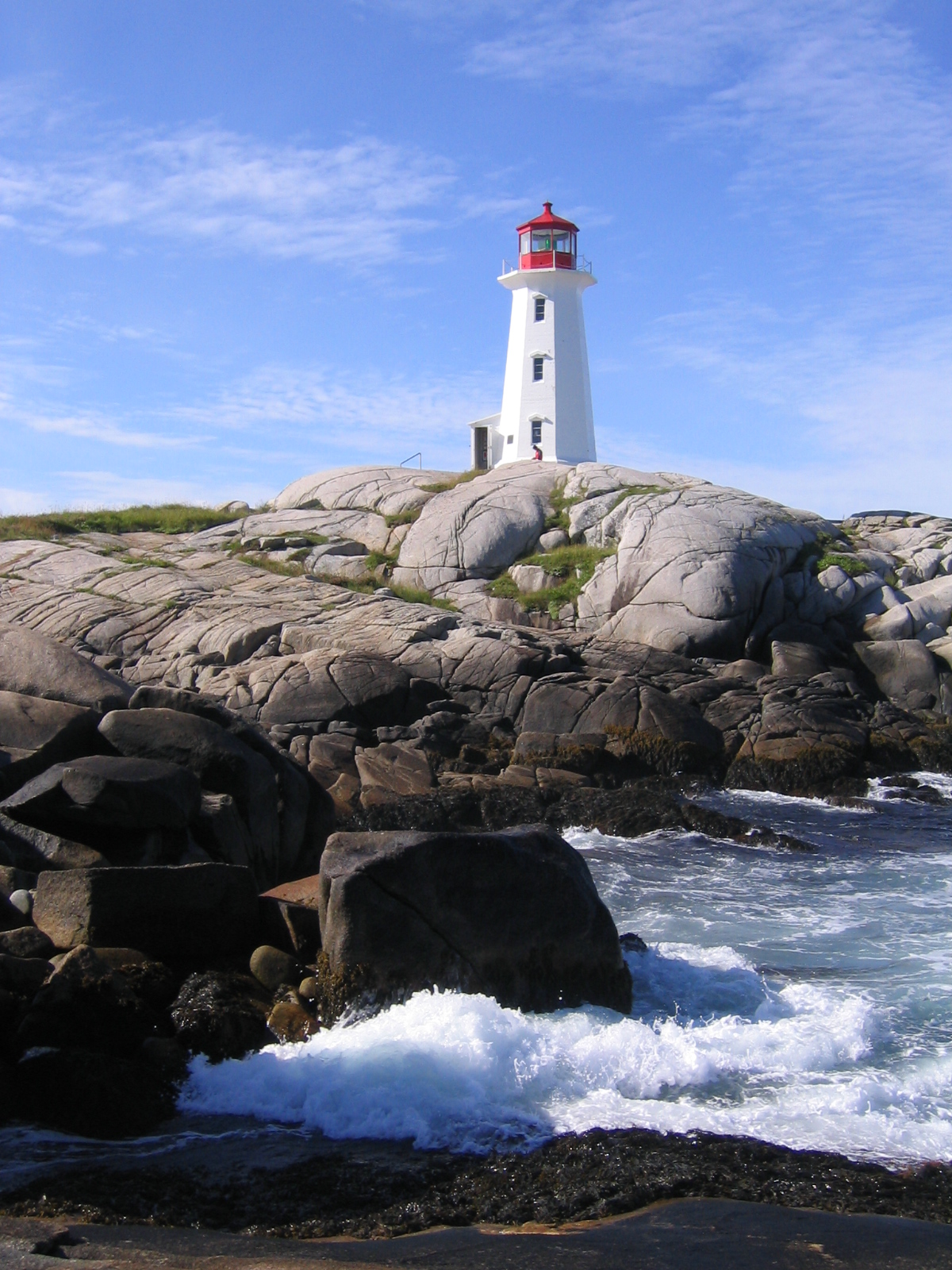
Lighthouse Networks
Before automation, lighthouse keepers maintained Canada's coastal navigation infrastructure through fog, ice, and isolation. Their records document a vanished occupation.
Shipbuilding
In the 1840s, Saint John ranked among the world's leading shipbuilding centres. This account reconstructs the yards, the labour, and the trade routes that sustained them.
Founded in 1749 as a British naval base, Halifax developed into one of the most strategically significant deepwater ports in the North Atlantic. Its harbour shaped the movement of troops, timber, fish, and manufactured goods across the Atlantic world for generations.
About This ArchiveShipbuilding
New Brunswick and Nova Scotia produced thousands of wooden vessels during the mid-nineteenth century. At the industry's height, yards in Saint John, Moncton, and Windsor launched ships that traded between Britain, the Caribbean, and South America.
The shift to iron and steam construction in British yards after 1870 eroded demand for Canadian timber-built hulls. Within two decades, most of the region's shipyards had closed or transitioned to repair work.
Read the Full Account
Lighthouse Networks
Canada's federal lighthouse system, expanded rapidly after Confederation in 1867, placed keepers at remote headlands and island stations to guide vessels through some of the most dangerous coastal waters in the world.
Peggy's Point, Nova Scotia
Panmure Island, Prince Edward Island
Georges Island, Halifax Harbour
Launched in 1921, the Bluenose schooner became an enduring symbol of Nova Scotia's deep-sea fishing economy. Built at Smith & Rhuland's yard in Lunenburg, the vessel combined racing performance with working-fleet utility, and remained undefeated in the International Fishermen's Trophy for seventeen years.
Read the Lunenburg AccountWest Coast
While Atlantic ports dominated the pre-Confederation economy, Vancouver's natural deepwater harbour opened Pacific trade routes after the completion of the Canadian Pacific Railway in 1886. Within a generation, it handled lumber, salmon, and grain destined for Asian and European markets.
The history of Vancouver's waterfront involves a layered set of interests: railway companies, cannery operators, longshoremen's unions, and successive waves of immigrant labour that each left distinct marks on the built environment.
Fishing Communities
Beyond the large offshore fleets, thousands of family-operated inshore operations worked bays and coves along the Maritime provinces throughout the nineteenth and early twentieth centuries. Their economics, community structures, and seasonal rhythms are less documented than the export trade.
Church records, census data, and correspondence from the Fisheries Department provide partial reconstructions of how these communities organized credit, labour, and access to drying grounds.
The Library and Archives Canada holds the surviving records of the federal Department of Marine and Fisheries, including station logs, keeper correspondence, and inspection reports for lighthouses dating from 1867 onward.
The Nova Scotia Archives maintains county-level land and vessel registration records that are central to reconstructing the scale of the inshore fleet.
The content on this site is for informational and historical reference purposes only. Brick & Harbor makes no claims of completeness regarding historical records. Sources are cited where available. All images are used under their respective Creative Commons licences from Wikimedia Commons.